Our lab investigates how to help adults with HIV age well. We use rigorous and innovative research techniques to examine how non-pharmacological approaches prevent and mitigate chronic disease, reduce symptoms, and improve quality of life in people living with HIV.
Can Multi-Component 8-week Tailored Intervention improve cardiovascular health in HIV?
Does High Intensity Interval Training reduce fatigue & improve function in older adults with HIV?
Do Diet & Exercise Ease Symptoms in HIV?
Can a nurse-led intervention improve cardiovascular health in HIV?
MEET OUR TEAM
Allison Webel, PhD, RN, FAAN

PI, Associate Dean for Research & Innovation
Vitor Hugo Fernando Oliveira, PhD
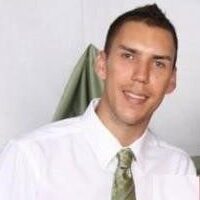
Research Assistant Professor
Christine Horvat Davey, PhD, RN
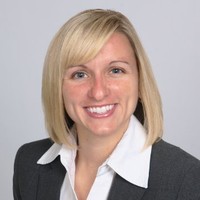
Assistant Professor, K23 Scholar
Events & News
To learn more about our lab’s work,
please explore our recent highlights!
UPCOMING PRESENTATIONS
-
February 24, 2026: Conference on Retroviruses and Opportunistic Infections (CROI). Longitudinal Housing Instability and Frailty Incidence Among People With HIV in the United States (Poster Presentation) (Denver, CO)
-
February 24, 2026: CROI. Changes in Muscle Methylation Profile and Epigenetic Age After Exercise Training in People With HIV (Poster Presentation) (Denver, CO)
-
February 24, 2026: CROI. Improving Steps and Diet Quality Reduces Symptoms in Adults With HIV: Results From the PROSPER-HIV Study (Poster Presentation) (Denver, CO)
-
March 2026: 16th Intrinsic Capacity, Frailty and Sarcopenia Research Conference for Healthy Longevity (ICFSR) The Effects of High-Intensity Interval Training vs Continuous Moderate-Intensity Exercise on Body Composition Among Older Adults With HIV: Secondary Results From the HEALTH Trial (Oral Presentation) (Washington, DC)
-
March 10–12, 2026: 16th Intrinsic Capacity, Frailty and Sarcopenia Research Conference for Healthy Longevity (ICFSR) Associations Between Physical Activity and Sarcopenia in Older People With HIV: Findings From the PROSPER-HIV Study (Oral Presentation) (Washington, DC, USA)
STATS & INFO
195
Peer Reviewed Publications
25
Students Have Worked in our Lab
24